
Hair Mineral Analysis
CanAlt performs hair element analysis under Ontario LSCCLA Laboratory Licence No. 5003. Calcium, lithium, magnesium, potassium and sodium are reported on this panel but are outside the scope of that licence. Results for these five elements, and any ratio that includes them (e.g. Ca:Mg, Na:K, Ca:P), are provided for educational and research purposes only. They are not intended to diagnose, prevent or treat any disease and should not be used for clinical decision-making.
About this test
A full 34-element ICP-MS panel with 26 mineral ratios, reported alongside practitioner and Elemental Burden Index narrative summaries.
Some practitioners interpret hair mineral patterns using published nutritional-balancing frameworks — such as those described by Drs. Paul Eck and Lawrence Wilson — which read minerals in relationship to one another rather than as isolated values. CanAlt reports the measured concentrations and ratios observationally; any such interpretive framework is one the ordering practitioner may choose to apply, in the context of the whole patient. The report is prepared for the practitioner, summarizes the relevant literature to support their own clinical judgment; diagnosis and treatment decisions rest with the ordering practitioner.
What the panel reports
CanAlt’s hair element analysis is licensed for the elements below. Five further elements are reported for educational and research purposes only.
Licensed panel
Reported under Ontario LSCCLA Laboratory Licence No. 5003.
Nutritional & trace elements — Zn, Cu, Fe, Mn, Cr, Se, Mo, Co, I, S, P and others.
Toxic metals — Pb, Hg, Cd, As, Al, Ni, Tl, U, Sb, Ba, Bi.
Ratios of licensed elements — Zn:Cu, Fe:Cu.
Educational / research-only elements
Reported on the panel but outside the scope of the licence.
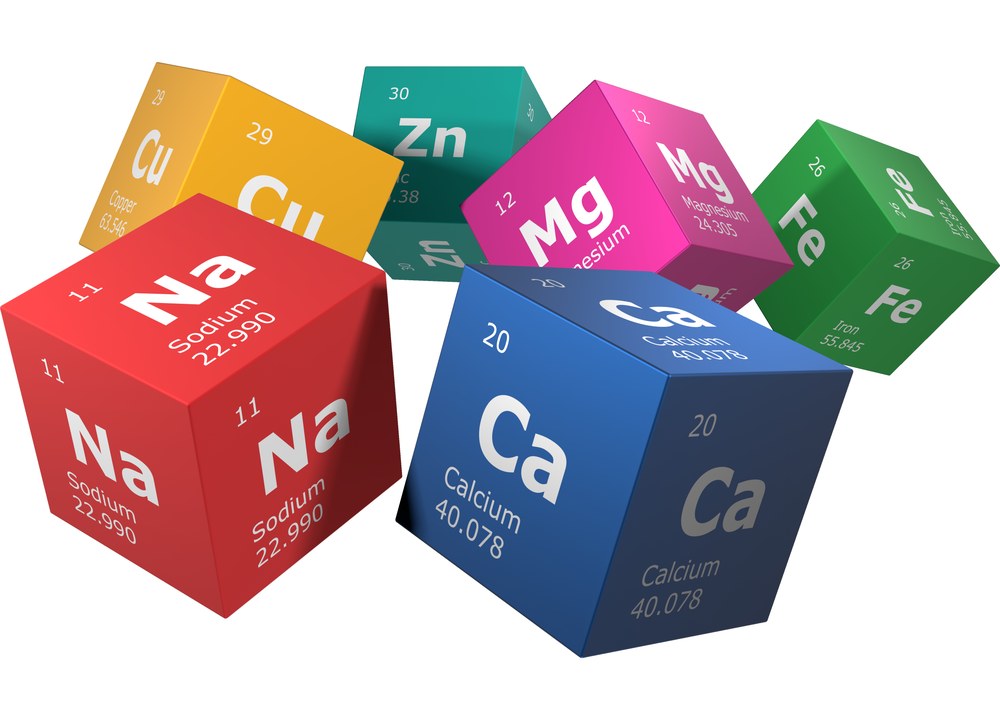
Elements — calcium (Ca), lithium (Li), magnesium (Mg), potassium (K), sodium (Na).
Ratios that include them — Ca:Mg, Na:K, Ca:P, Ca:K.
Provided for educational and research purposes only — not intended to diagnose, prevent or treat any disease, and not for clinical decision-making.
Sample type
Hair — head, proximal 3 cm
CanAlt is the only ISO 15189 Plus™ accredited Canadian laboratory licensed for clinical hair mineral analysis. The panel reports toxic-metal exposures, trace-element levels and mineral ratios observationally, for the ordering practitioner to interpret alongside the whole clinical picture.
Test highlights
ISO 15189 Plus™ accredited · ICP-MS with ppt detection · the only Canadian lab licensed for clinical HMA.
- 34 elements measured. Licensed nutritional & trace minerals (Zn, Cu, Fe, Mn, Cr, Se, etc.) and toxic metals (Pb, Hg, Cd, As, Al, U, Tl) in a single hair sample; calcium, magnesium, potassium, sodium and lithium are also measured but reported for educational and research purposes only.
- 26 mineral ratios. Ratios add context the absolute values alone cannot — including the licensed ratios Zn:Cu and Fe:Cu. Ratios that include calcium, magnesium, sodium, potassium or lithium (e.g. Ca:Mg, Na:K, Ca:P) are reported for educational and research purposes only.
- Approximately 3 months of metabolic history. Hair grows ~1 cm per month, capturing a longitudinal view that blood and urine cannot match.
- Foundational clinical assessment. The test most CanAlt practitioners order first when assessing a patient’s toxic-metal exposure and trace-element status.
Why HMA matters clinically

Toxic metals can compete with and displace nutritional minerals.
Minerals are foundational catalysts for a wide range of enzymatic reactions, metabolic activities and detoxification pathways, and mineral balance supports the absorption and function of other nutrients and vitamins. The literature describes hair as a time-integrated matrix that can differ from a single serum draw; CanAlt reports the measured values for the practitioner to interpret.
Hair Mineral Analysis provides a comprehensive element profile for the practitioner to review in the context of history, symptoms and other findings. Published research has described associations between documented mineral deficiencies and imbalances and a range of presentations; CanAlt summarizes that literature to support the practitioner's own interpretation. The report supports the practitioner's clinical judgment; diagnosis and treatment decisions rest with the ordering practitioner. Much of the clinical significance is read in the ratios between minerals rather than the absolute values alone.
- Lead vs. Iron — oxygen transport, energy metabolism; lead can interfere with iron-dependent pathways.
- Cadmium vs. Zinc — immune function, wound healing, hormone metabolism, taste/smell.
- Mercury vs. Selenium — antioxidant defense, thyroid hormone synthesis, glutathione recycling.
- Aluminum vs. Silicon — silicon is a natural binder of aluminium; connective-tissue integrity.
Two panels in one test
Most labs separate nutritional-element panels from toxic-metal screening. CanAlt’s HMA reports both from a single hair sample, because the two readings are often interpreted together — for example, a low zinc reading next to elevated cadmium reads differently than low zinc alone.
Panel 1 — Nutritional Elements. Macrominerals, trace minerals and supportive elements involved in enzymatic reactions, structural integrity and detoxification cofactor pathways. Reported as concentration in mg/g hair with reference ranges based on CanAlt’s validated population data. Calcium, magnesium, potassium, sodium and lithium sit within this panel but are outside the licence scope and are reported for educational and research purposes only.
Panel 2 — Toxic Metals. Toxic and potentially toxic metals that impair enzymatic function, displace nutritional minerals and accumulate in tissues over time. Detected at ultra-trace (parts-per-trillion) sensitivity on the Perkin Elmer NEXION 1000 ICP-MS.
How practitioners use the panel
Hair tissue mineral analysis offers a time-integrated view that complements standard serum testing. The literature notes that tissue and serum mineral levels can diverge — the body tightly regulates blood mineral concentrations even as tissue stores change — so hair can add context a single serum draw may not.
Mineral status in context: the literature discusses how hair and serum levels of licensed elements such as zinc and copper can differ.
Detoxification cofactors: the literature describes roles for selenium, zinc and sulphur in glutathione synthesis and Phase II conjugation. The panel reports these licensed elements observationally, as context a practitioner may consider when planning their own protocol.
Endocrine-related cofactors (from the literature): published research describes roles for trace elements such as iodine, selenium and zinc in thyroid-hormone pathways. The Zn:Cu ratio — both licensed elements — is among the findings practitioners most often consider, and is reported observationally for the practitioner to interpret.
A longitudinal view: hair captures roughly three months of cumulative mineral deposition — a time-integrated view that single-point serum testing cannot provide — which practitioners use as context alongside their own clinical assessment.
The Analytical Platform
CanAlt’s HMA is performed on the Perkin Elmer NEXION 1000 — an inductively-coupled-plasma mass spectrometer (ICP-MS) delivering ultra-trace, parts-per-trillion detection across the full periodic table, with the spectral-interference control required to measure high-level minerals and trace toxins accurately in a single run.
- Perkin Elmer NEXION 1000 — ultra-trace sensitivity (ppt detection across the periodic table); Universal Cell Technology eliminates spectral interferences for difficult elements like arsenic and chromium; broad dynamic range measures high-level minerals and trace toxins in a single run.
Your patient’s report
Every report includes both panels (nutritional elements and toxic metals), the calculated ratios, and CanAlt’s population-based reference ranges. Licensed elements outside the reference range are highlighted for the practitioner; results for the five educational / research-only elements (Ca, Li, Mg, K, Na) and the ratios that include them are shown for educational and research context only. Reports are delivered to your practitioner portal as a PDF, ready for your interpretation and patient discussion.
Regulatory & scope
Clinical laboratory analysis performed at CanAlt’s ISO 15189 Plus™ accredited medical laboratory in Mississauga, Ontario, licensed by the Ontario Ministry of Health under the Laboratory and Specimen Collection Centre Licensing Act (LSCCLA Laboratory Licence No. 5003). HMA is practitioner-ordered — the practitioner is the requisitioner of record and bears clinical-interpretation responsibility. Calcium, lithium, magnesium, potassium and sodium, and any ratio that includes them, are outside the scope of that licence and are reported for educational and research purposes only — not to diagnose, prevent or treat any disease, and not for clinical decision-making.
Reference ranges are based on CanAlt’s validated population data and should be interpreted in clinical context with patient history, presenting symptoms and other findings.
- The foundational test most CanAlt practitioners order first when assessing a patient’s toxic-metal exposure and trace-element status.
- Provided to healthcare practitioners across North America for clinical use; the practitioner is the requisitioner of record and bears interpretation responsibility.
How is HMA different from heavy-metals testing?
HMA is the broader test — it includes the licensed nutritional and trace elements (Zn, Cu, Fe, Mn, Cr, Se, etc.) and toxic metals (Pb, Hg, Cd, As, Al, etc.) along with the calculated ratios; calcium, magnesium, potassium, sodium and lithium are also measured but reported for educational and research purposes only. Heavy Metals testing focuses specifically on the toxic-metal panel and is typically used for environmental-exposure assessment or post-detox confirmation. For most practitioner workflows, HMA is the test ordered first; Heavy Metals can be a focused follow-up when toxic exposure is the primary concern.
How much hair is required for analysis?
Approximately 1.5 inches of hair from the nape of the neck, cut close to the scalp — roughly 0.5 g. For patients with very short or very fine hair, multiple smaller samples can be combined. The collection envelope keeps samples dry and free of contamination during shipping.
What about hair treatments — dyes, perms, bleach?
Chemical treatments can alter mineral concentrations in hair. We recommend collecting hair not chemically treated within the previous 4–6 weeks, or noting recent treatments on the requisition so they can factor into interpretation. If only treated hair is available the analysis can still proceed, but the practitioner should adjust their interpretation accordingly.
How often should HMA be retested?
For most clinical workflows, re-test 3–6 months after the initial sample — especially after a change in treatment or in the patient’s exposure. The 3-month minimum reflects the time needed for a change to register in newly-grown hair. For ongoing monitoring once the patient is stable, annual re-testing is typical.
Can the report be shared with the patient?
Yes. The report is designed to be readable by the patient with practitioner guidance — colour-coded indicators, reference ranges and ratios in plain notation. The CanAlt patient brochure (available from your practitioner portal) provides patient-facing context to accompany result delivery.
Ordering and pricing are handled in your CanAlt portal — ND, practitioner and corporate pricing is shown once you sign in. Sign in to order or open an account.